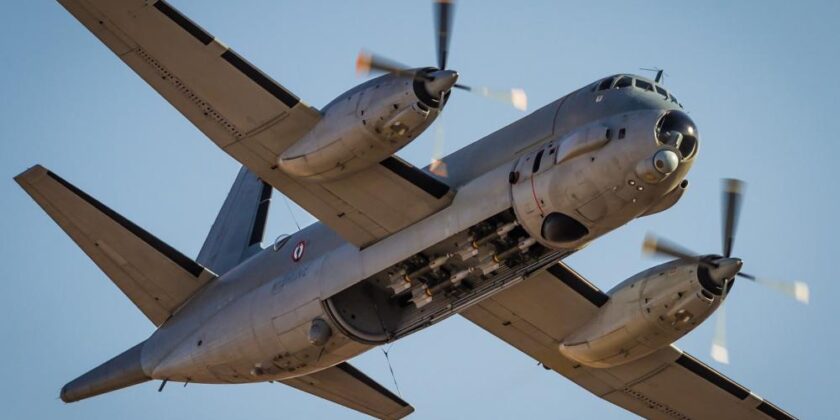
The watchman of the seas The Atlantique 2, more commonly known as the ATL2, is a maritime patrol aircraft of the French Navy, designed for surveillance, intelligence, anti-submarine warfare (ASW) and anti-surface warfare (ASuW). It entered service at the end of the 1980s and is a further development of the Bréguet Atlantique (ATL1), modernised to meet contemporary operational requirements.From its bases at Lann-Bihoué and Nîmes-Garons, or during external deployments, the ATL2 criss-crosses the seas in search of invisible threats. Its exceptional endurance and latest-generation onboard sensors make it a key player in the deterrence and protection of France and its…
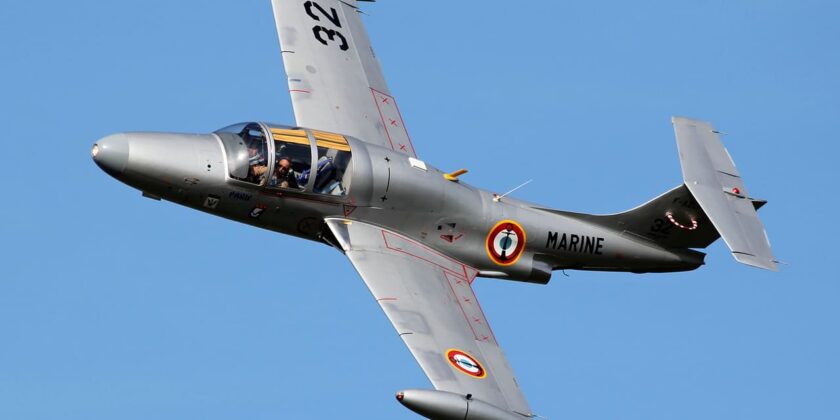
The business jet turned military aircraft Elegant, discreet and fast, the Morane-Saulnier MS 760 ‘Paris’ is a French jet that came into being in the 1950s. Initially designed as a business aircraft, its performance and versatility quickly won it over the French and foreign armed forces. Today it is a rare reminder of France's post-war aeronautics industry. A dual vocation The MS 760 ‘Paris’ was designed by Morane-Saulnier as a small civil jet for business transport. But its qualities - good range, comfortable speed, ability to operate on small runways - soon made it an excellent aircraft for training in…
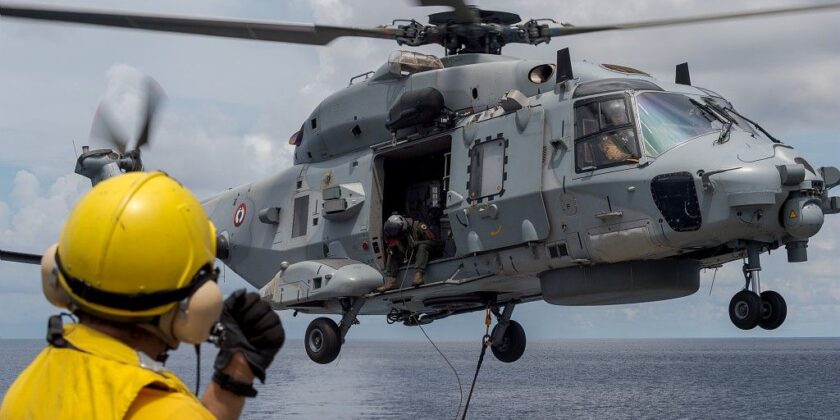
Versatility at the service of the sea The Caiman Marine, the naval version of the European NH90 helicopter, is a jewel of modern technology. Designed to meet the complex requirements of maritime operations, it is used by the French Navy for missions ranging from anti-submarine warfare to sea rescue and electronic warfare. A naval sovereignty tool Commissioned in 2011 by the French Navy, the Caiman Marine is based primarily on the FREMM multi-mission frigates and the PHA amphibious helicopter carriers. It is gradually replacing the Super Frelon and Lynx, offering enhanced capabilities thanks to its onboard system for detecting and…
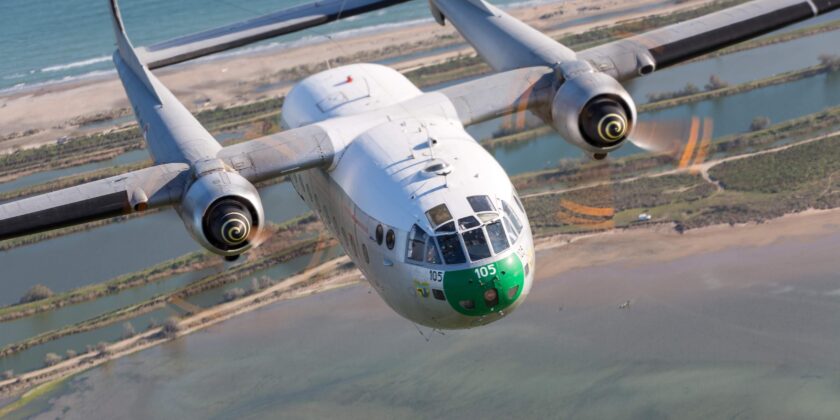
An aircraft for a modern army In the aftermath of the Second World War, the French Air Force needed a military transport aircraft adapted to the new logistical and operational requirements. Faced with a motley fleet of Douglas C-47 ‘Dakota’ and Junkers Ju 52 ‘Toucan’ aircraft, the need for a robust, versatile aircraft specifically designed for troop and equipment parachuting missions was obvious. So in 1948, the Société Nationale de Constructions Aéronautiques du Nord (SNCAN) launched the development of a new aircraft with a bold design: the Nord 2501 Noratlas. A unique architecture for demanding missions The Noratlas is characterised…
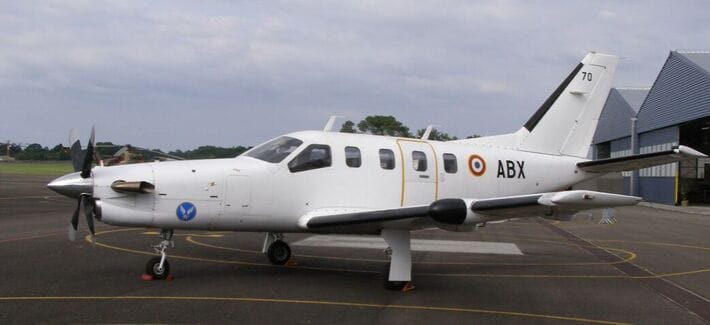
Fast liaison the French way Used by the Light Aviation of the French Army (ALAT) for liaison and light transport missions, the TBM 700 is a fast and versatile single-engine turboprop aircraft produced in France by Socata (now Daher). This discreet but efficient aircraft is a real logistical asset for the armed forces. Speed, reliability and efficiency Introduced into service in the 1990s, the TBM 700 enables the ALAT to carry out a wide range of missions, including personnel transport, medical evacuation, parts delivery, inspection and command missions. Thanks to its high cruising speed and excellent range, it can quickly…
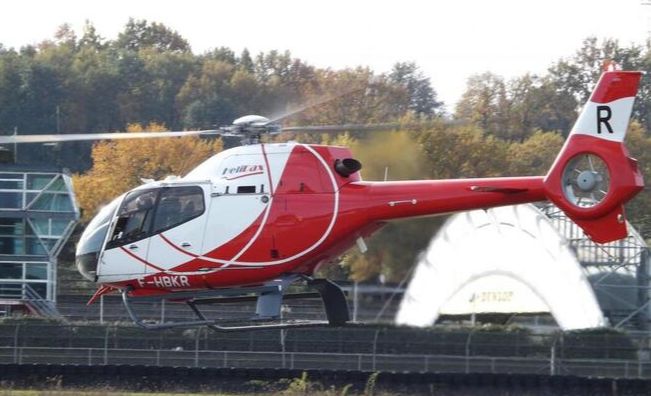
The French military training helicopter The EC120B Colibri, nicknamed ‘Calliopé’ in the ALAT, is a light helicopter used for initial pilot training at the École de l'Aviation Légère de l'Armée de Terre (EALAT) at Cannet-des-Maures. This small civilian helicopter, originally designed by Eurocopter (now Airbus Helicopters), has been adapted to military requirements to train future combat helicopter pilots. A modern learning platform Brought into service in the 2000s, the Colibri has modernised the training of young pilots, replacing the Gazelle and Alouette for the first few hours of flight. Light, reliable, equipped with modern instruments and excellent visibility, it is…
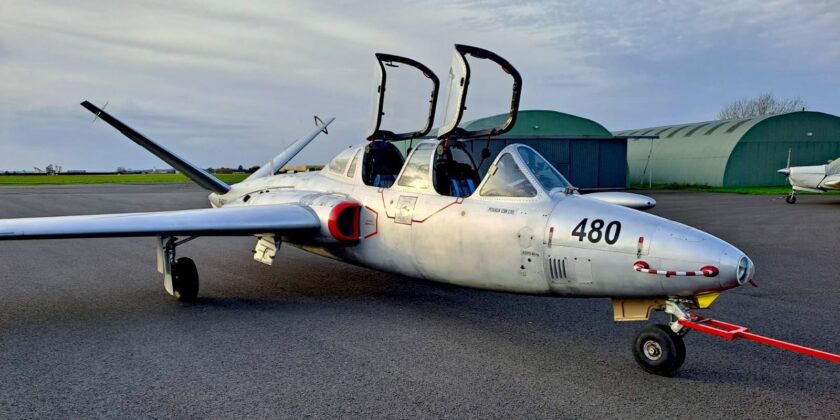
An iconic silhouette in the French sky The CM-170 Fouga Magister is one of the most emblematic jet trainers of the 20th century. Designed in France in the 1950s, it was developed to train military pilots in the new jet aircraft. Its slim appearance, characteristic V-shaped tail (also known as a ‘butterfly’) and flight performance made it an aircraft that was as elegant as it was efficient. An ambassador for French wings The Fouga trained generations of French Air Force pilots and was also exported to more than 20 countries, becoming a worldwide success. It remains famous for having equipped…
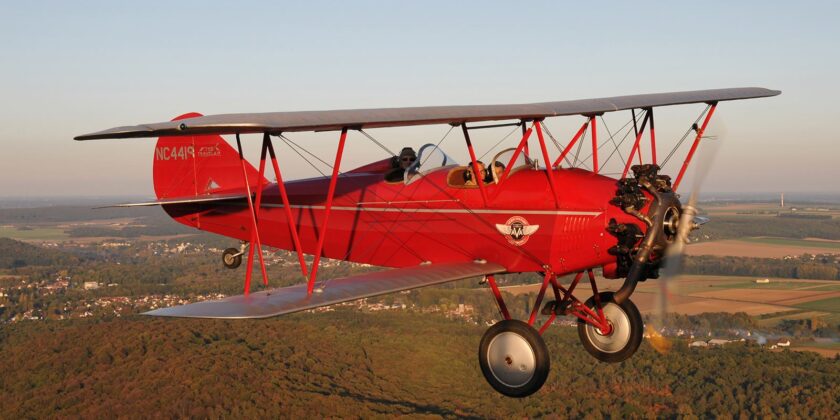
The elegance of the Roaring Twenties The Travel Air 4000, the emblematic American biplane of the 1920s, embodies the romanticism of the early days of civil aviation. Designed in Wichita by the Travel Air Manufacturing Company - founded by Clyde Cessna and Walter Beech - this aircraft was one of the most popular of the post-First World War era. Used as much for training as for air shows and passenger flights, it became a veritable symbol of leisure aviation in the United States. Its classic offset-wing design, tubular fuselage and sleek lines make it as attractive as it is efficient.…
T-6 DFAME T-6 DFAME T-6 DFAME D-FAME AT-6 Harvard was constructed in 1952 with Canadian Car & Foundry. Construction number CCF-4-77. The Harvard MK.IV was handed over to the Royal Canadian Airforce RCAF in 1952 with Serial number RCAF 20286. The aeroplane was in RCAF service until 1968. From 1969 until 1983, she was based in the US with registration N13631. It was also flown as a “Reno-Racer” # 88 named “Super Slug”. 1983 – 1996 it was registered in the UK as G-BKCK. In 1997 it was bought by Achim and Elmar Meier (Meier Motors…
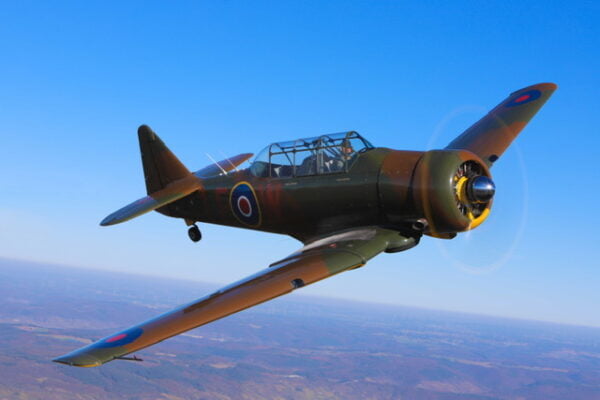
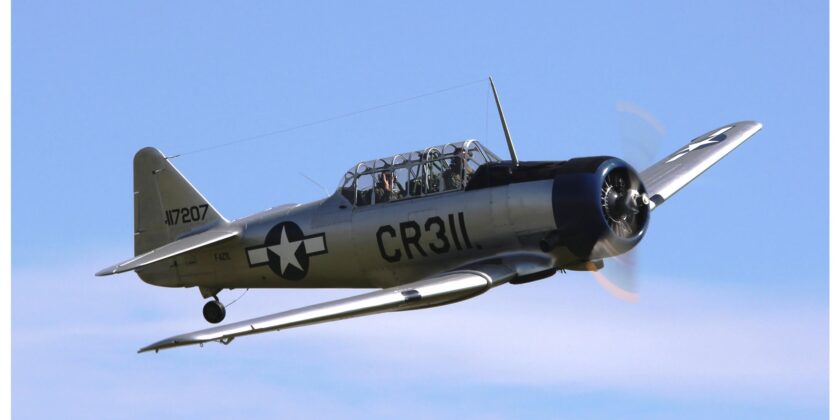
History of the T-6 Texan Developed in the late 1930s, the T-6 Texan was the training aircraft for several generations of pilots, playing a key role in military pilot training. Between 1935 and 1945, more than 15,000 units were produced by North American in the United States and used by nearly 30 countries (France, China, Australia, Great Britain, Honduras, Canada, etc.). In France, it was used at the Marrakech and Cognac training bases before being replaced by the Fouga CM 170. It was also used in operations in Algeria and Morocco in the fight against guerrilla warfare (1956–1960). Its…